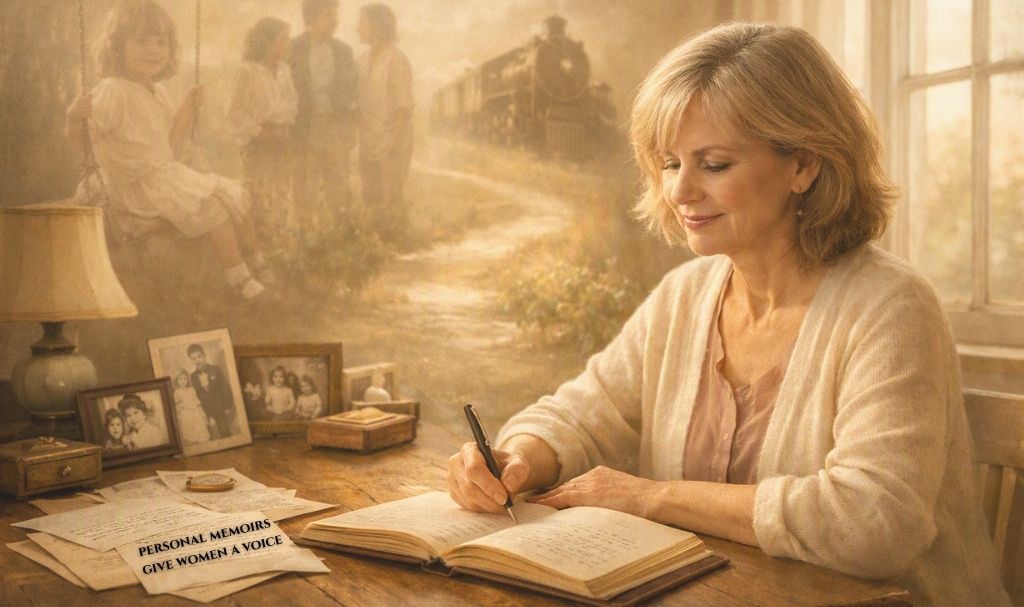
Many women go through their entire lives without ever truly being heard.
They raise children, look after their families, face loss, carry private pain, and keep going because they have to. On the outside, they might seem strong and steady. But inside, there are memories they have never shared, grief they never named, and stories no one ever asked them to tell.
This is why personal memoirs are important.
A memoir gives a woman the chance to speak in her own voice. It lets her revisit the moments that shaped her life and share them honestly. For women whose pain was ignored, hidden, or misunderstood, writing can finally make them feel seen.
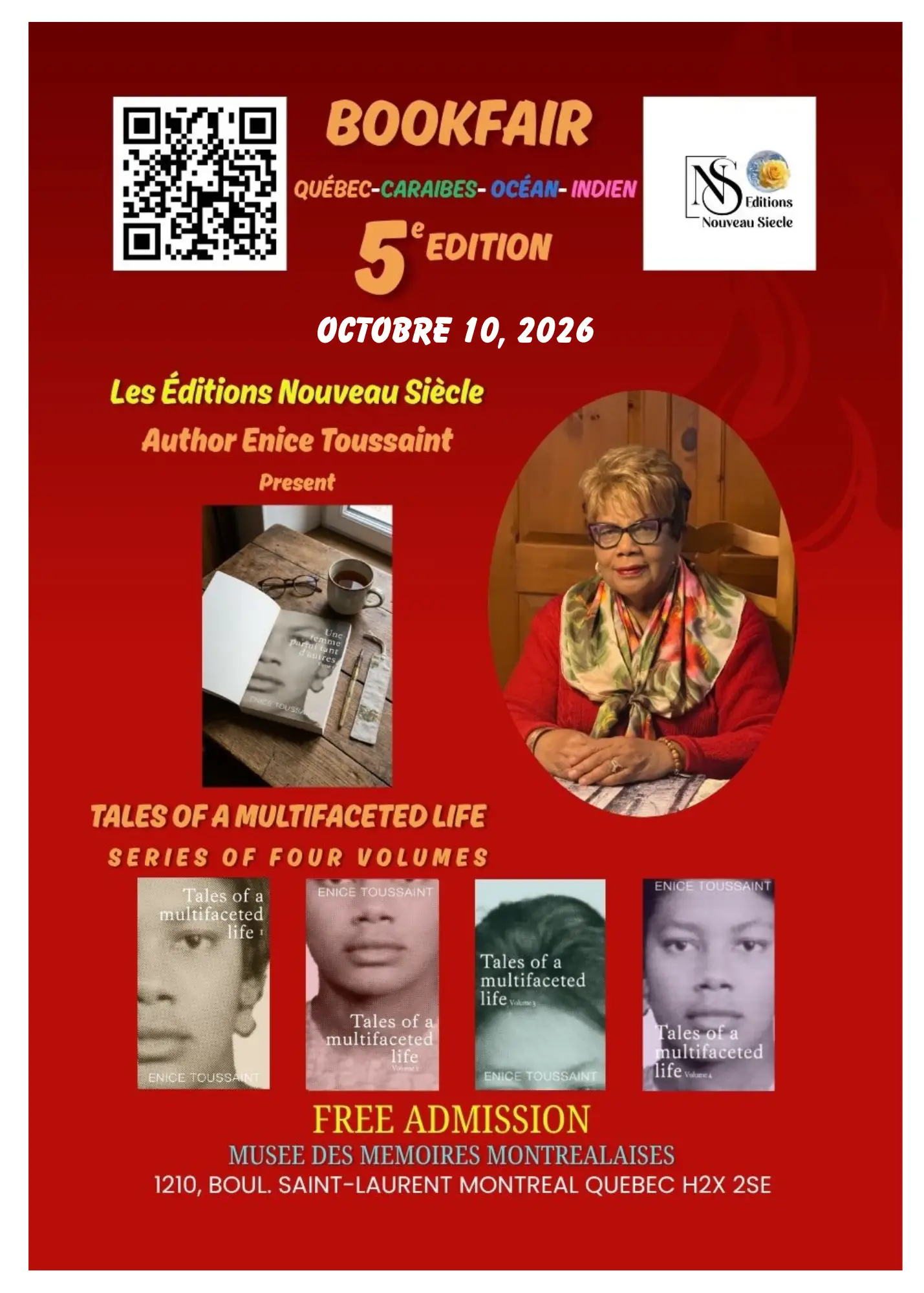
In Tales of a Multifaceted Life, Enice Toussaint writes from her own memories. Her story covers her childhood in Haiti, losing her mother, being separated from family, marriage, motherhood, moving to new places, faith, and trying again and again to rebuild her life. The memoir is powerful because she tells it so personally. She writes from her own experience, not from a distance.
Silence Can Become Part of a Woman’s Life
Many women learn to be silent from a young age.
They are told not to bring shame to their families. They are expected to be strong. They keep their pain to themselves because talking about it might cause conflict, judgment, or more pain.
In Enice’s memoir, silence shows up in many ways. She carries the loss of her mother, deals with complicated family relationships, and faces hard times in marriage and motherhood. Again and again, she keeps moving, working, praying, helping others, and trying to get through each part of her life.
This kind of silence is often hidden. It can look like responsibility or faith. It can look like a woman holding her family together, even though no one knows how she really feels.
A personal memoir breaks that silence quietly. It gives the writer a place to say: this happened, this is what I carried, and this is how I got through it.
Memoirs Tell More Than Facts
Family history often turns into a list of events. Someone was born somewhere. Someone moved. Someone got married. Someone lost a parent. Someone started over in a new country.
These facts are important, but they do not show the feelings behind them.
A memoir fills in those gaps.
It shows what a loss felt like for a child. It shows how a woman experienced her home, her marriage, her church, her city, or a separation. It helps explain why some memories stay clear for years.
This is why women’s memoirs matter. They keep the emotional truth that regular records cannot capture.
Enice Toussaint’s writing often goes back to certain places and people. Miragoâne, New York, Montreal, family homes, churches, relatives, children, and friends all become part of her memories. These details add depth to her story. They help readers see not just what happened, but how life felt at the time.
A Woman Is More Than Her Role in the Family
Families often remember women by the roles they played.
She was a mother.
She was a wife.
She was a grandmother.
She took care of everyone.
She had faith.
She was strong.
These descriptions might be true, but they do not tell the whole story.
A memoir helps bring back the full person behind those roles. It shows the young girl before she became a mother. It shows the woman before others expected her to be strong. It reveals the private thoughts, fears, choices, and wounds that shaped her.
In Tale of a Multifaceted Life, Enice is not just shown as a mother or grandmother. She is also a child grieving her mother, a young woman looking for stability, a woman facing hard times, and a writer trying to make sense of her own past.
That fuller picture is important. It lets readers, especially family, see the person behind the role.
Personal Details Make the Story Real
A memoir does not have to use dramatic language to be powerful. It just needs truth and detail.
Small memories often hold the most emotion. A childhood home. A sister’s protection. A visit to church. A hard conversation. A room where someone sat alone and prayed. A child’s presence during a tough time.
These details matter because they make a life feel real.
Enice’s memoir is most powerful when it focuses on these memories. She writes about where she lived, the people who helped her, those who hurt her, and the times when faith gave her the strength to keep going.
This kind of storytelling helps readers see women in their own families. Mothers, grandmothers, aunts, sisters, and neighbors may have gone through things they never talked about. A memoir reminds us that quiet lives can hold deep stories.
Writing Can Become a Form of Recognition
For women who were never heard, writing can offer something powerful: recognition.
It cannot change the past or take away pain. But it gives shape to experiences that might have stayed hidden for years. It says a woman’s life deserves attention. Her memories matter. Her version of events matters. Her voice matters.
This is one reason why Tale of a Multifaceted Life feels so personal and important. Enice Toussaint is not just recording events. She is preserving a life shaped by love, loss, faith, hardship, and endurance.
Her story also goes beyond just one person. Many readers may not have the same background or experiences, but they might know what it feels like to be misunderstood, to carry pain quietly, or to need to start over.
That is the lasting value of personal memoirs. They give women a place to speak after years of silence. They save memories that might have been lost. They help families understand their roots more honestly.
When one woman writes her truth, she does more than share her own story. She also makes space for other women to feel seen.